A personal account of navigating the NHS Right to Choose pathway for an adult ADHD diagnosis — from a late-life lightbulb moment to an official diagnosis of inattentive ADHD.
Land degradation poses as high a risk as climate change to our species' survival. OGC's work in developing relevant data standards will improve the interoperability between the different tools and technologies used to monitor and report on it.
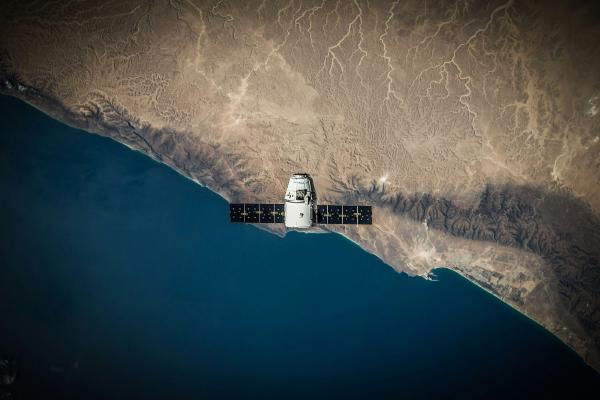
Work is underway to free OGC standards and technologies from their terrestrial constraints, applying decades of geospatial expertise to the emerging challenges of space exploration and commercialisation.
Coasts are among our most important and threatened environments, yet land and marine data systems rarely speak the same language. OGC is working to change that.
Climate resilience information systems can only fulfil their potential if the data and services they rely on adhere to agreed standards — and OGC is working to make that happen.
Cloud-native computing, FAIR data principles and open standards are combining to create a self-organising geospatial ecosystem with the potential to address some of humanity's most pressing challenges.
How OGC's Disaster Pilot 2021 is building the standards-based ecosystem needed to get actionable information into responders' hands within the 'golden hour' of a disaster.
The challenges OGC is trying to overcome in using artificial intelligence in geospatial applications, in conversation with GeoAI Domain Working Group co-chair Kyoung-Sook Kim.
The OGC's Data Access and Processing API will enable scientists and geospatial analysts to analyse data in a way mostly independent of its location, supporting the Open Science movement.
OGC's Testbed-17 will investigate cloud-based processing apps, convenience Web APIs, semantic interoperability, and discrete global grid systems as a simplified location reference.
OGC's community of location experts is collaborating on a new family of web developer-friendly APIs to support a future geared towards data integration and innovation.
Combining IoT, 3D city models, indoor location, smart devices, dynamic routing and more, using only open standards and commercially available hardware, brings safety benefits for cities of all sizes.
The OGC's Tech Trends activity and the technologies set to transform geospatial in 2020 and beyond – from data science and UAVs to digital twins and the Web of Data.
Plex can stream all of your movies and music across the house — and to your mobile. Here's a comprehensive guide to setting it up and getting the most from it.
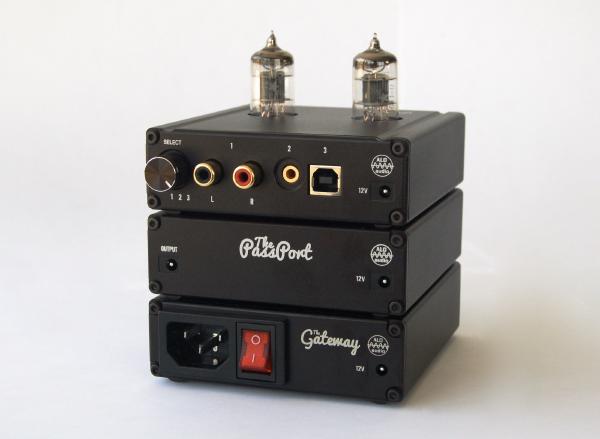
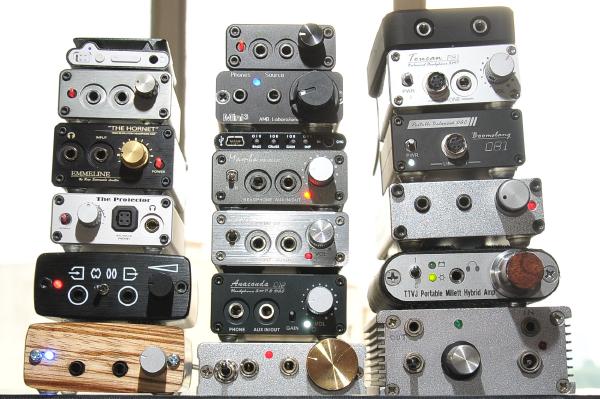
Headphone amplifiers are viewed as essential by some and farcical by others. The maths behind impedance and sensitivity tells you which camp your own headphones belong in.
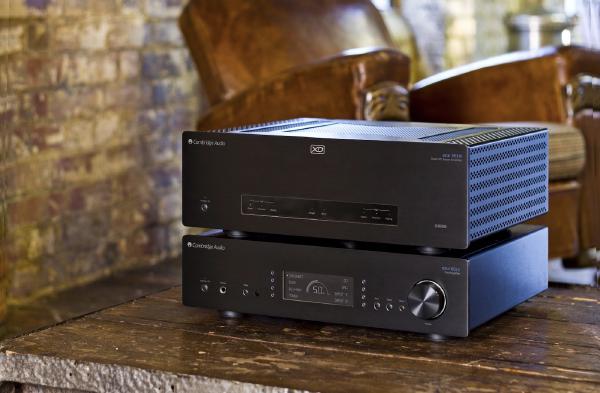
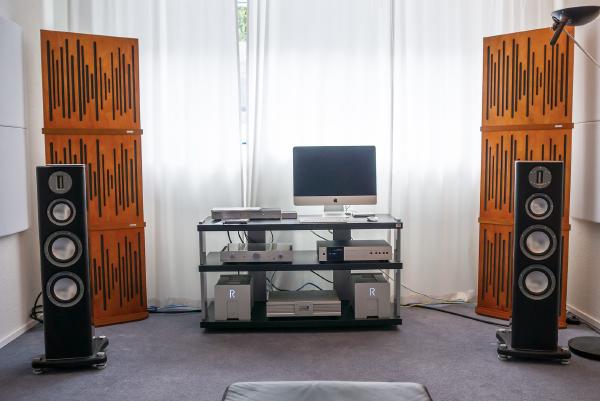
Why audio enthusiasts split their pre-amp and power amp into separate boxes, what it actually buys you in headroom and dynamic range, and how to tell if your own system is a good candidate.
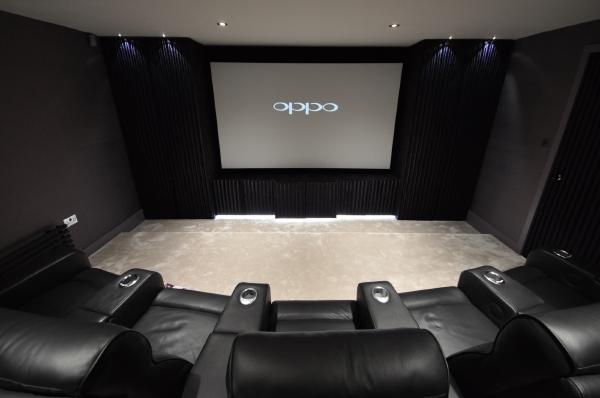
Object-based surround sound does away with fixed channel layouts altogether. A look at how Dolby Atmos and DTS:X work, what they need from your home theatre, and how they compare.
A cheap, simple trick — sticking a light behind your TV — reduces eyestrain and boosts perceived picture quality. Here's the science behind it, and how to choose the right bulb.
What 4K actually means, where to find genuine 4K content today, and why HDR — not just extra pixels — is the real reason to get excited about the format's future.
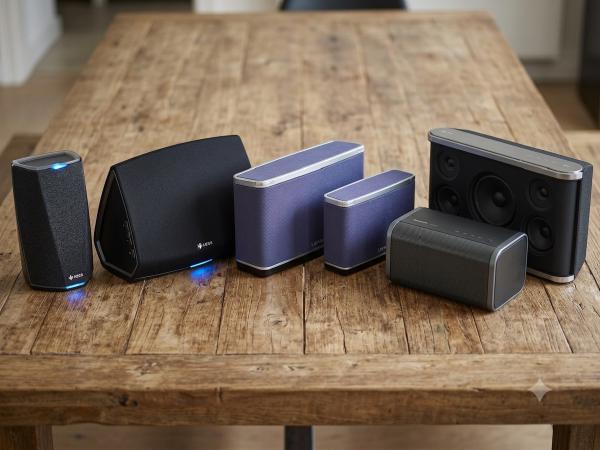
Six wireless music streaming units from Lenco, Panasonic, and Denon compared, including a look at the Qualcomm AllPlay platform that's finally bringing cross-brand interoperability to multi-room audio.
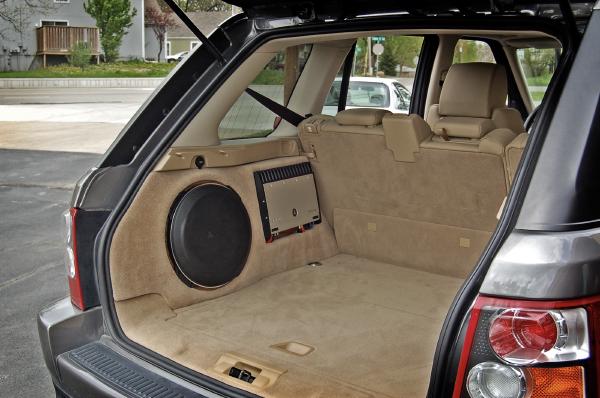
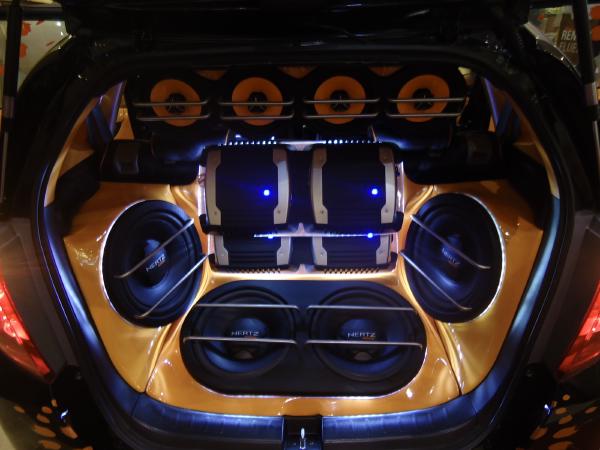
Taking your car audio further with a separate amplifier and subwoofer — covering enclosure types, power ratings, and how to pair an amp to your speakers.
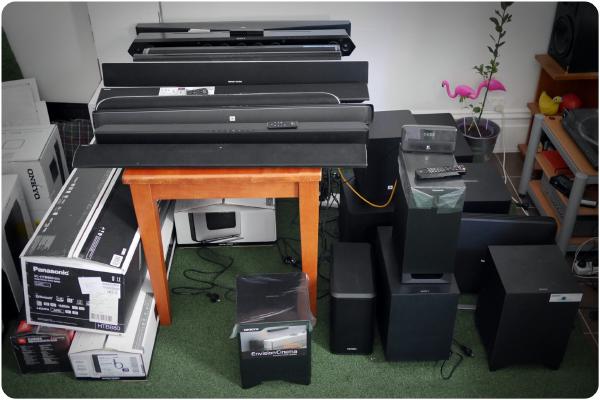
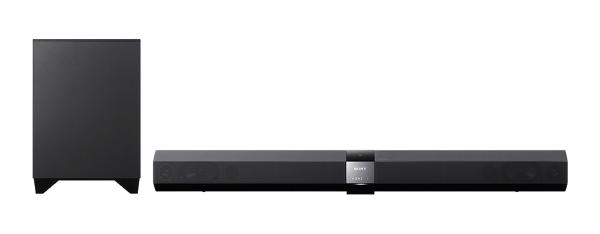
A comprehensive ranked roundup of 13 sound bars, with full specs and editorial recommendations from best to least recommendable, covering every price point from $599 to $1999.
A guide to choosing, connecting, and calibrating a subwoofer — covering driver size, power, connection options, crossover settings, and phase calibration.
A buyer's guide to upgrading your TV's audio — comparing soundbars, self-powered speakers, and component A/V receiver systems, with budget allocation advice best supporting future upgrade paths.
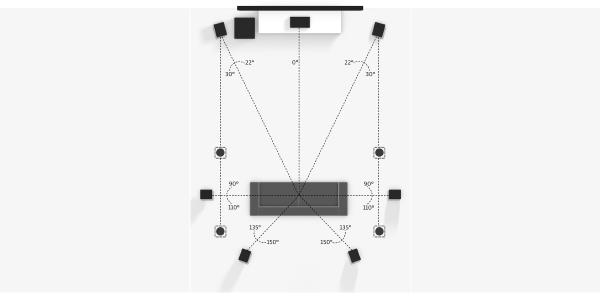
How to set up and calibrate a surround sound system — covering optimal speaker placement angles for 5.1 and 7.1 systems, the subwoofer crawl method, and SPL-based manual calibration.
How to calibrate your TV for a more cinematic picture — from professional setup services and calibration discs to navigating contrast, colour temperature, and motion interpolation settings.
A comprehensive guide to home theatre projectors — covering DLP, LCD, and LCoS technologies, how to read spec sheets, and how to choose and position a screen.
Achieve digital zen: a guide to cleaning up a messy music library using MediaMonkey, covering missing tags, tagging inconsistencies, and automatic file organisation.
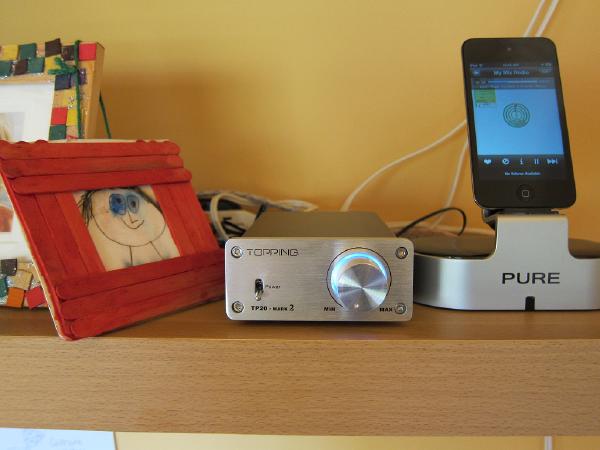
Build a surprisingly good HiFi system on a shoestring, courtesy of the cheap Chinese class-D amplifier revolution — with practical advice on speakers, amps, and sources.
Get more out of your speakers without spending a cent — a practical guide to optimal placement, from wall distances and the equilateral triangle sweet spot to height and toe-in.
Break out of your musical comfort zone: a personal guide to discovering new music through independent radio, streaming services, podcasts, record labels, apps, newsletters, and live gigs.
Part 3 of the Ultimate Tasker Guide: how to pull live web data using HTTP Get, parse XML with Variable Split, and act on it within Tasker — illustrated with a weather forecast automation.
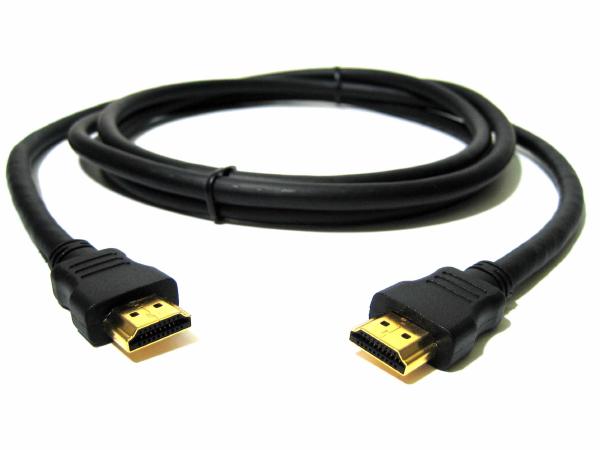
A no-nonsense consumer guide to audio and HDMI cables: what actually matters, what's pure marketing hyperbole, and why you should never feel pressured to overspend.
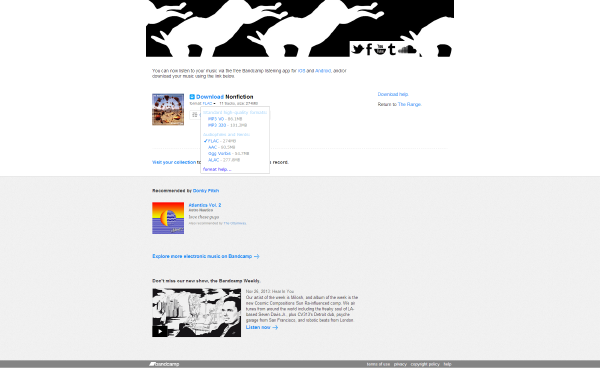
A clear guide to digital audio formats — lossy vs lossless, MP3 vs FLAC vs AAC vs Ogg Vorbis — and why most format decisions are simpler than they look.
An introduction to Tasker, Android's most powerful automation app — covering Actions, Tasks, Contexts, and Profiles, with a walk-through of building your first automated Profile.
Password managers not only increase security but make life easier — here's how to use KeePass across all your devices, including Dropbox sync for fully portable access.
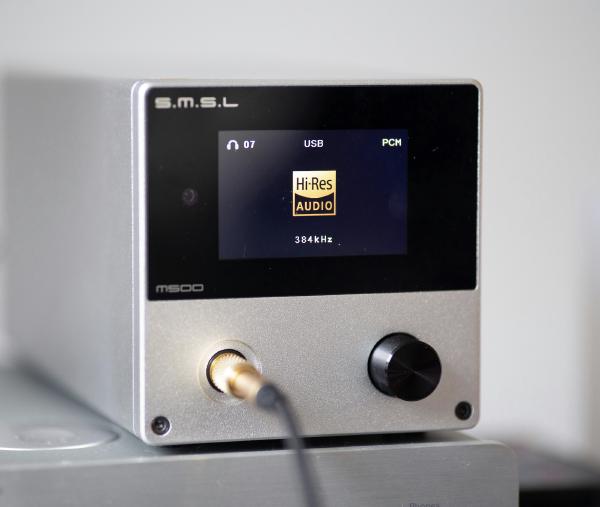
You already own several DACs without knowing it. Here's what a dedicated external one can actually do for your sound — and when it isn't worth the money.
The 'HD audio' marketing push is built on a fundamental misunderstanding of how digital audio works. Here's what the numbers actually mean — and why 16 bit/44.1 kHz is all you'll ever need.
Nine apps guaranteed to supply your daily dose of internet humour — meme generators, satirical news, webcomics, and some face-swapping tools of questionable taste.
How to get your music collection playing through every room in the house — and in your pocket — using network streamers, UPnP servers, and smartphone control.
Nine apps to help you run your life with a little more grace — voice-activated assistants, task delegation, password management, and one very expensive app exclusively for millionaires.
Nine apps that have transformed mobile music production — from a professional 48-track DAW to a Korg-licensed synth, a dead-simple drum machine, and an app that composes music for an actual music box.
IBM creates a chip from 10,000 carbon nanotube transistors, a programmer recreates the Myst linking book with a real PC inside, and a rocking chair that charges your iPad via kinetic energy.
Nine apps for cyclists of every stripe — route tracking and leaderboards, bike-share finders, gear calculators, maintenance guides, and a full ANT+ sensor suite.
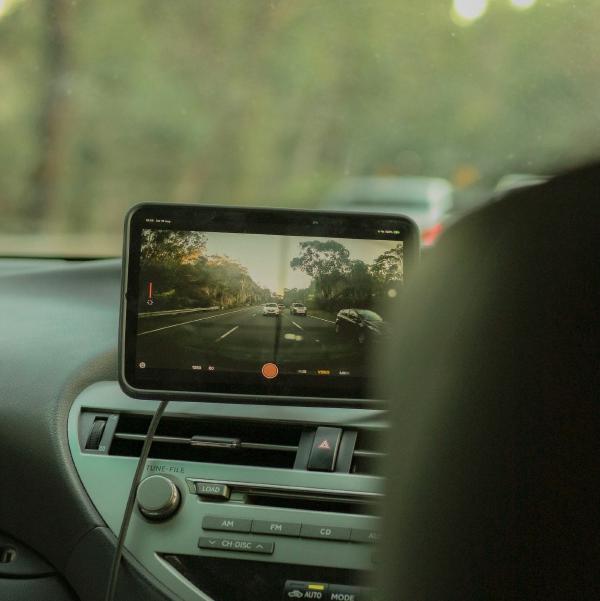
How smartphones and tablets are replacing the once-sprawling ecosystem of dedicated in-car gadgets, such as carputers, GPS units, OBD-II readers, and reversing-camera monitors.
Ten apps that make the most of your phone's location smarts — from real-time tracking and crowd-sourced navigation to augmented reality gaming and zombie-powered fitness.
Ten apps for staying across the latest news — from algorithmic aggregators and magazine-style readers to trusted public broadcasters and citizen journalism on Twitter.
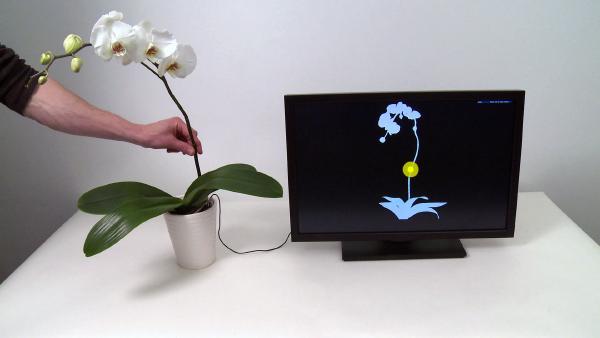
Disney turns houseplants into touch controllers, NASA captures the highest-resolution images ever taken of the sun's corona, and Twitter predicts personal illness eight days in advance.
Ten apps to explore the cosmos from your pocket — augmented reality night skies, interactive planetary maps, and a fully simulated space shuttle landing.
Ten apps for scientists and science enthusiasts — from an interactive periodic table and 3D molecule viewer to journal readers and a scientific calculator.
Two new elements join the periodic table, a Minecraft-themed wedding complete with Mojang-designed drinks labels, and how Chinese gamers outsmarted government censorship with a large tropical fruit.
The first year of 2600 magazine released as a DRM-free e-book, the Las Vegas Star Trek attraction that nearly happened, and the computing challenge of processing an exabyte of data per day.
UNSW researchers achieve a crucial milestone in quantum computing, a man spends US$3 million to save every book ever published, and Lego meets Minecraft.
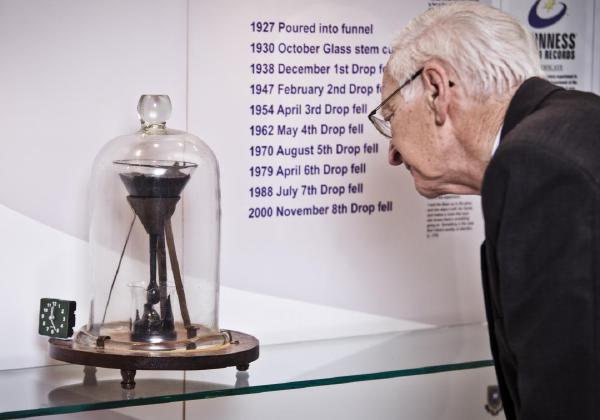
The world's most patient science experiment finally gets a webcam, a very stylish argument for USB cufflinks, and the case for a 3D printer that outputs cupcakes.
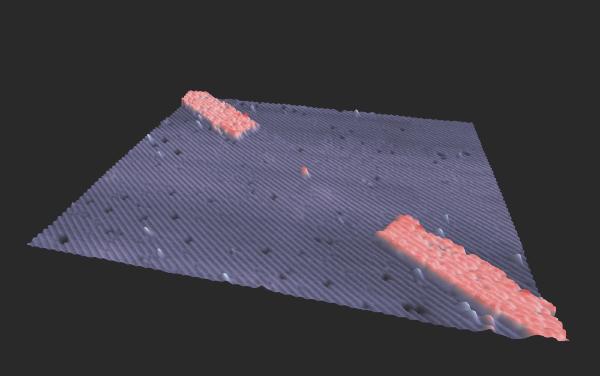
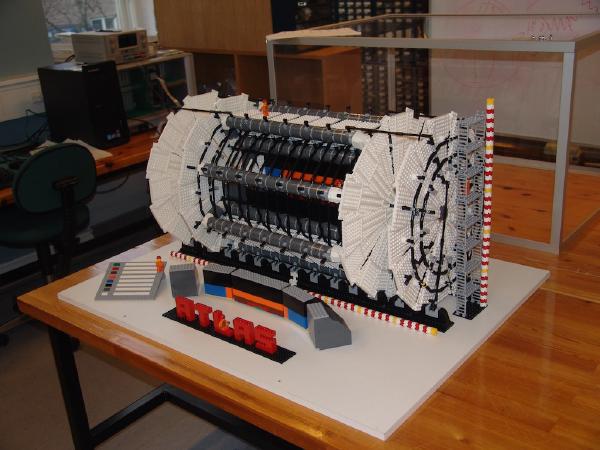
Tetris played on a scale measured in microns, a LEGO model of the Large Hadron Collider built from 9500 pieces, and Isaac Newton's notebooks digitised for the internet.
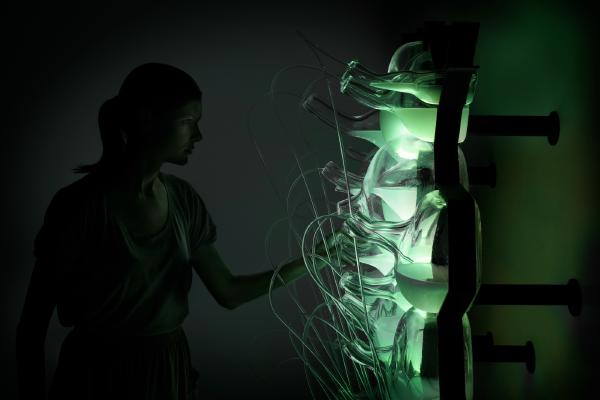
A London club installs pee-controlled gaming urinals, Philips creates a lamp powered by living bacteria, and a Skyrim enthusiast liberates every book in Tamriel for your commute.
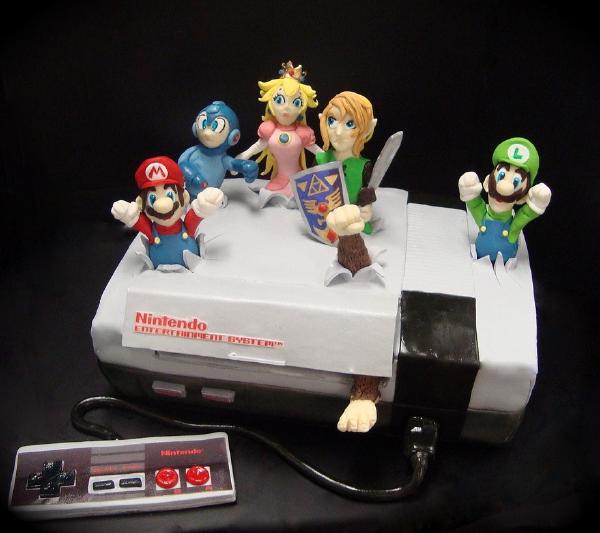
NASA starts work on a real tractor beam, a lovingly recreated NES-themed cake that puts home bakers to shame, and why 3D printers could be printing circuit boards within two years.
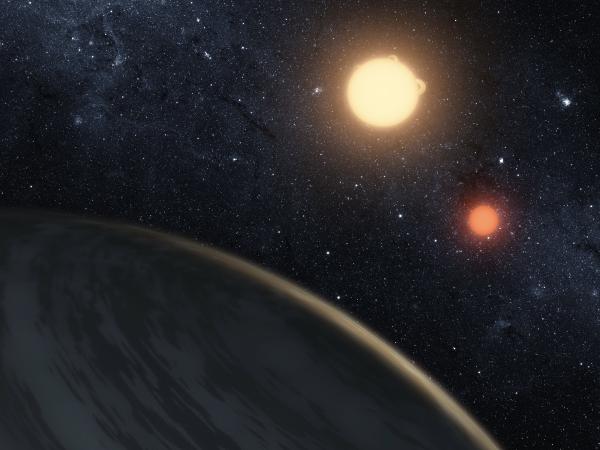
Scientists confirm a real-life Tatooine orbiting two suns, Super Mario Bros shrunk to 64 pixels, and an 82-kilogram LEGO Star Destroyer built entirely from photographs.
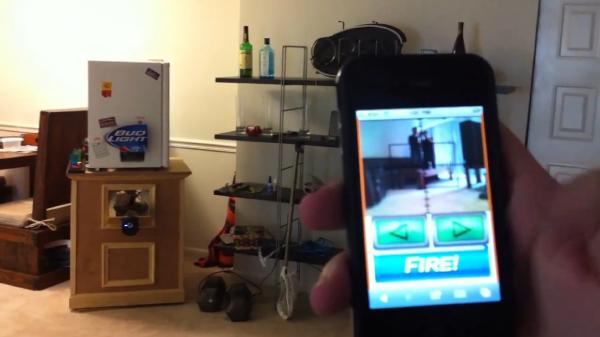
An iPhone-controlled beer cannon, the Popeye origins story that Nintendo didn't want you to know, and a man who has spent his life collecting every sealed PS2 game ever released.
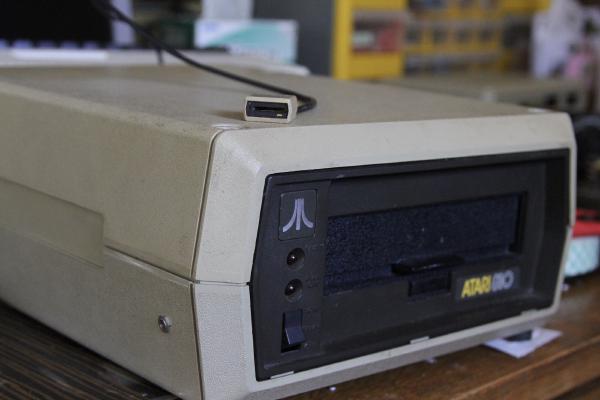
A robot lawnmower you control from your iPhone, a neural network that develops schizophrenia and confesses to terrorism, and a miniaturised Atari drive for the retro-computing faithful.