
Bored of the same old sounds? Let’s find something fresh.
Since the dawn of the internet, the availability of music has skyrocketed. Not only is there more music available than ever before, it’s now easier and cheaper to get your hands on it. Yet, despite this veritable tsunami of creativity washing over us all, many people still stick to the main channels when it comes to seeking out new tunes – radio and TV. While this is certainly the easiest way to hear new tracks, it reeks of genericism, recycled tropes, and unoriginality – in short, really boring stuff.
If, like me, you have grown weary of the sounds pumping over the airways (or those stored in your existing collection), you’ll be pleased to know that it’s really very easy to find and explore the many other smaller streams that feed the great ocean of human musical output.
But, where to start? First of all: be open minded. Don’t dismiss an entire genre based on a few bad songs, and don’t dismiss a song because it sounds lame on the first listen. Music is referential by nature (which is why commercial stations are a bit of an echo chamber), so your musical palette will take time to adjust to sounds it’s never heard before. Exposure is the first, critical step.
Independent radio #
Perhaps the easiest place to start finding new music is via independent radio, so I really recommend that the next time a song on the radio stinks, you scan to the next station in the frequency, then the next, until you hear something interesting. If you do, you should save that station as a preset for later. Now, don’t lose heart if everything you hear is terrible – the content on independent radio stations usually changes every hour, so while it may be the ‘Philatelist phun-time hour’ at 5pm, it could very well be ‘Excursions in electronica’ come 6 o’clock. Be persistent in your scanning.
Online services #
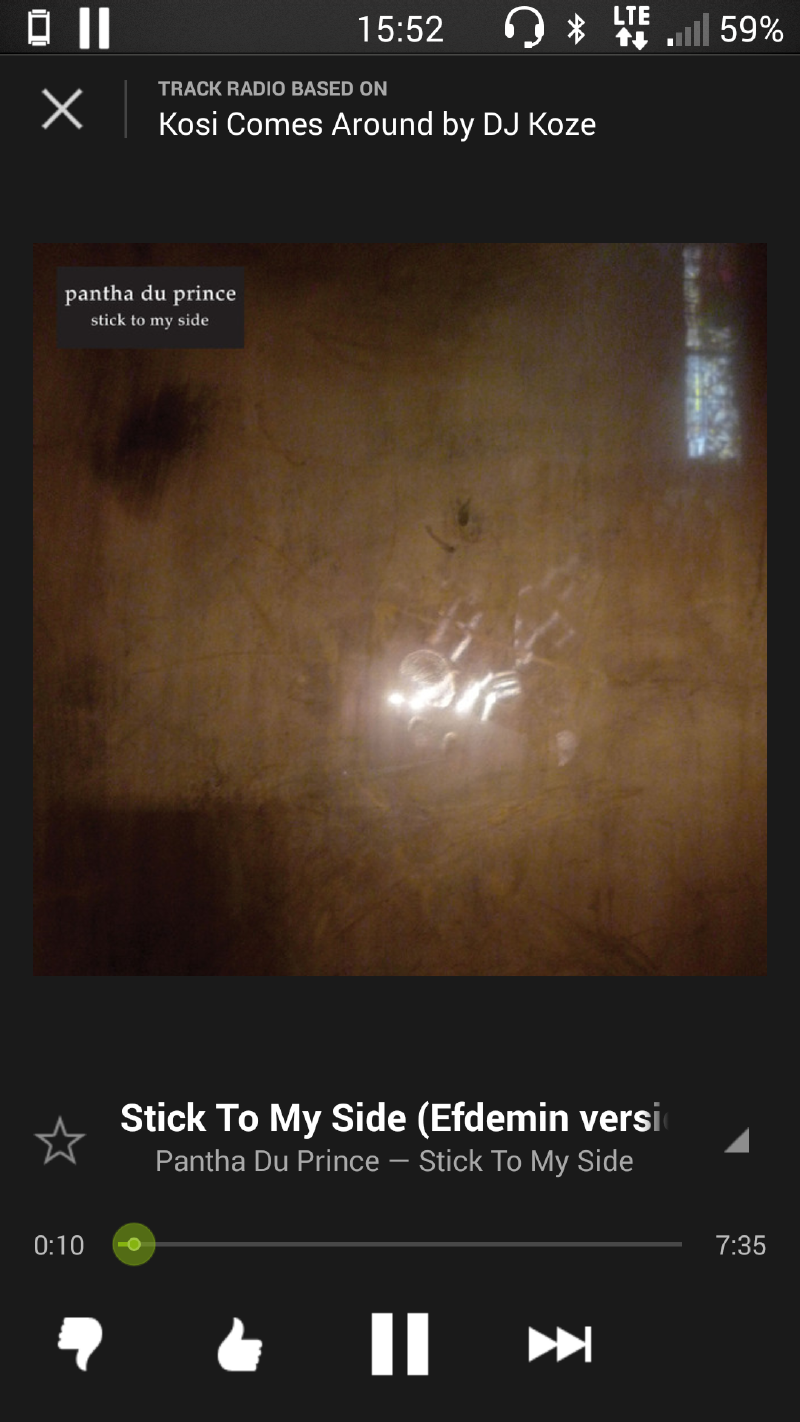
Pretty much all of the online music streaming services offer the option to listen to ‘radio’ based on artists that you enjoy, alongside various other ‘discovery’ features. The original was Pandora (and it’s still free, with very little ads), but Spotify, Google Play, iTunes Radio (coming to Oz soon), MOG, Xbox Music, Rdio etc. all offer the ability to listen to a radio station based on an artist, song, or genre. When a song comes on that you like, don’t forget to ’like’, ’thumbs up’, ‘star’ or somehow bookmark it for later – you may just love the rest of that artist’s work, too, so it’s worth going back later and listening to their albums.
Additionally, many artists will have a Soundcloud or Mixcloud (mainly DJs) page for you to visit. I’ll often ‘follow’ artists that I don’t know very well (alongside those that I do), and am amazed at the great stuff that appears in my feed. Once you’ve built up a good list of Soundcloud followees, the app (or website) can easily become your preferred point-of-call when you don’t know what to listen to next. This also goes for YouTube.
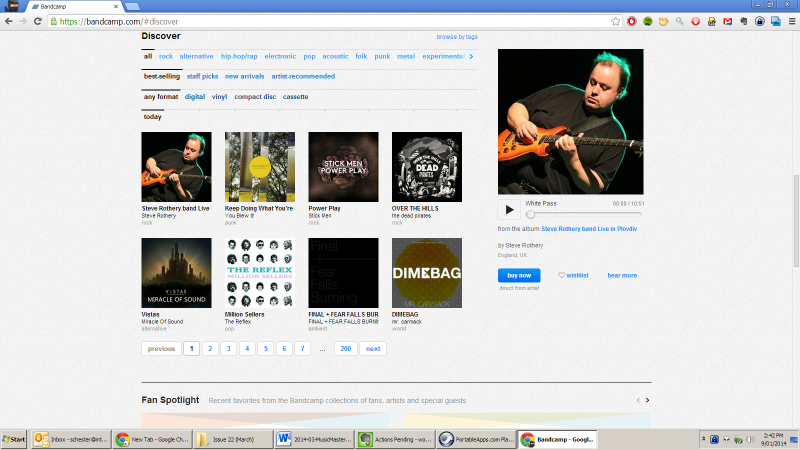
I’ve previously written about the independent music distribution site Bandcamp, but it’s worth pointing out that they also offer a few different ways to discover new music – whether it’s by visiting their ‘Discover’ page and browsing by genre, or via their radio or daily editorials. And, to make the site just that much more awesome, every single album is available to stream online – in its entirety – for free.
Podcasts & blogs #

Speaking of podcasts, these are a wealth of great new music. Many music websites and blogs (factmag.com, inverted-audio.com, electronicexplorations.org [Ed: link now squatted with ads - avoid] are three of my favourites for electronic music) offer regular podcasts or mixes that either showcase some good new tunes, or invite a guest DJ in to put together something wonderful. These have been a consistent source of amazing new musical finds for me over the years, so I really recommend that you start checking them out. Even if they don’t offer a podcast, there are countless blogs out there that chronicle amazing music. Start by Googling for a genre that you enjoy, plus the word ‘blog.’
Alternatively, you can skip the blog trawl and visit Hype Machine, which bubbles up the most popular songs across the blogosphere at any given moment.
Record labels #
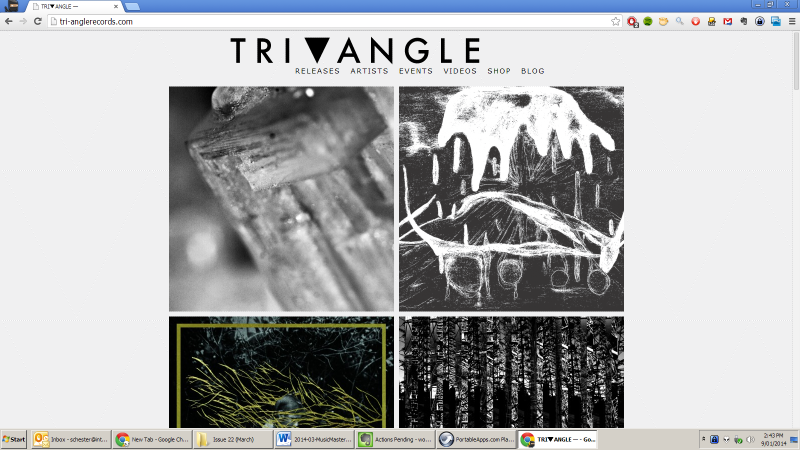
Once you’ve found a new artist that you love (or even an old one) it’s worth finding out what record label they have released on, and visiting its website, as they’ll likely have artists of a similar style. It may have previews for you to listen to, or – better yet – a Soundcloud or Bandcamp page. Some of my favourite labels right now are Tri-Angle, Sonic Router, Not Not Fun, Blackest Ever Black (if you’re into something darker), and PAN (if you’re into weirdo experimental stuff).
Mobile apps #
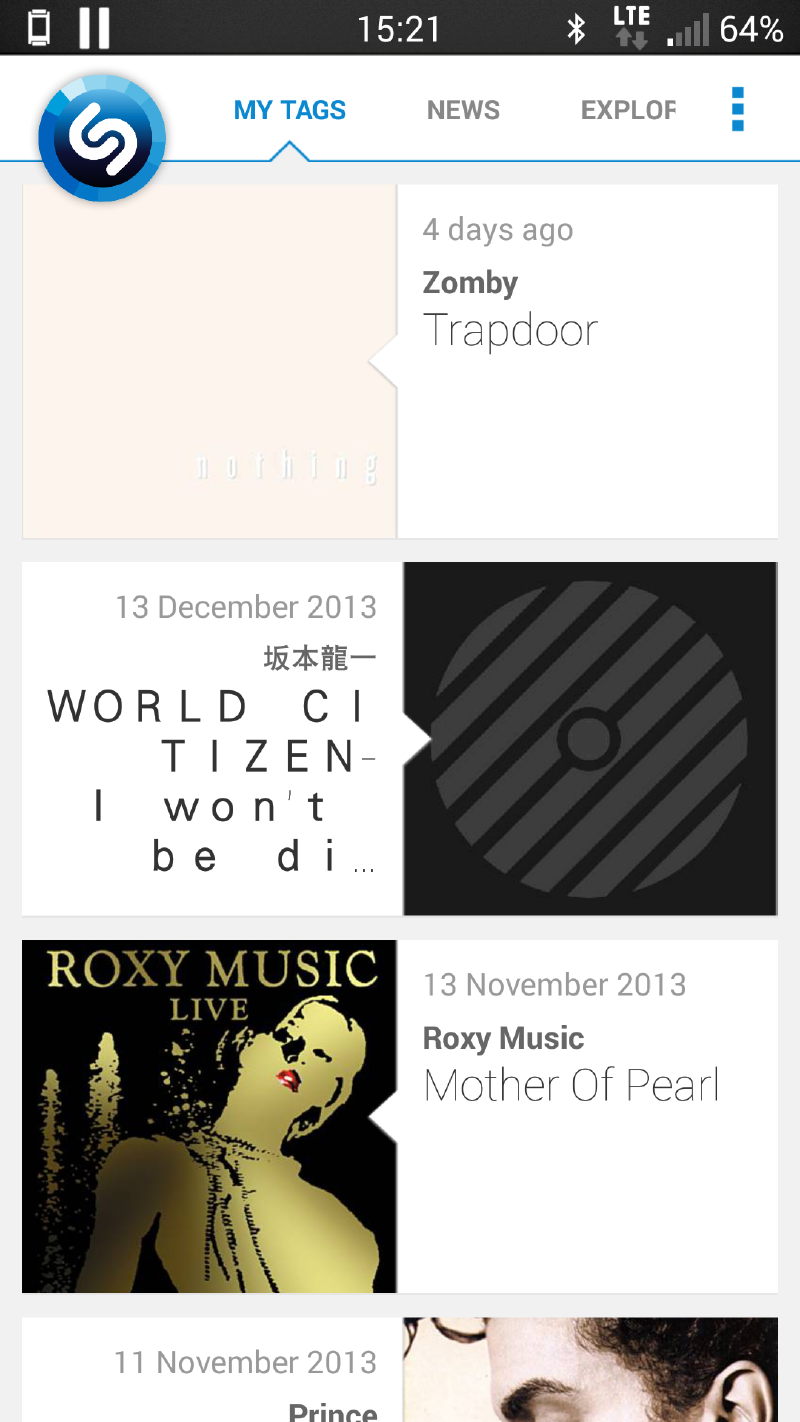
Don’t forget about the existence of the song identification apps Shazam or Soundhound, to find out what you’re listening to and save it for later. I prefer Shazam, as it immediately allows you to open the song in Spotify for bookmarking.
There are other apps out there, too (Discovr, for example), that allow you to enter some of your favourite artists (or log into Last.fm to automatically download a list of artists you have previously listened to, like with Bandsintown), and then make recommendations based on them.
Newsletters #
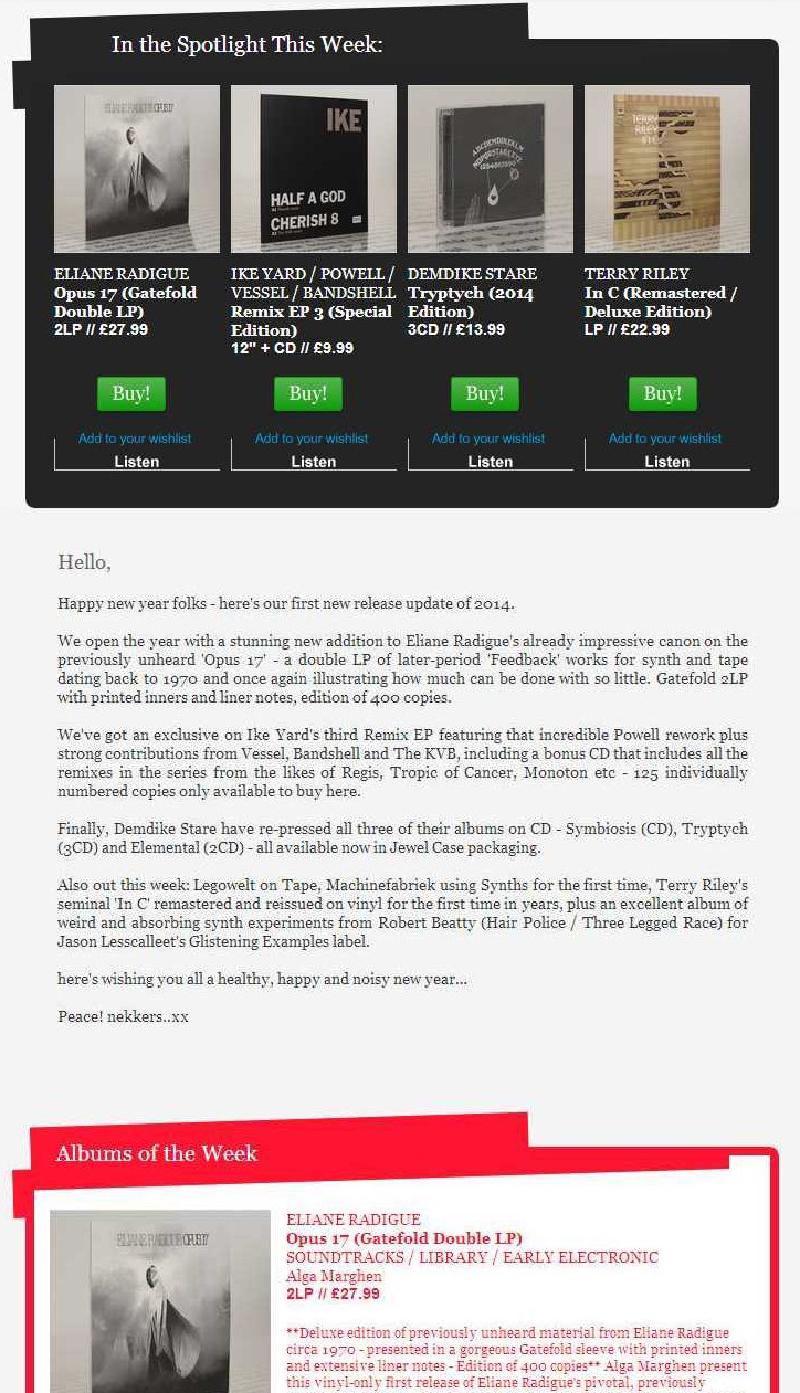
The humble newsletter is an age-old method of keeping up with the latest releases from around the globe. Most record labels will offer newsletters, but the best newsletters come from online stores like Boomkat, Bleep, or Norman Records. Even if you’re not interested in buying music (I understand that most people probably aren’t), these newsletters often provide mouth-watering (ear-watering?) descriptions of the latest releases, as well as audio previews. You can then always go off to your preferred online distribution methods to get your own copy of it.
Go to gigs #

Finally, the most enjoyable way to find new music is to start going out to see bands and DJs perform. There are a number of music venues scattered around every city, and if you see a band or DJ that you like playing at one, then why not start turning up there for gigs by artists that you don’t recognise? Smaller gigs usually only cost $15-$30, after all.
Venues often have themed nights that run along similar musical styles, or you can also start looking into promoters that have brought out some of the artists that you like (I really like Astral People in Sydney, for instance).
Alternatively, you can use a service like Bandsintown (online and iOS/Android) that will suggest nearby gigs that you might enjoy, based on your musical tastes.
Finally, when you’re out at a gig, don’t be afraid to talk to strangers to find out what music they’re into. You may find some amazing new tunes, and – who knows? – maybe a new friend, too.