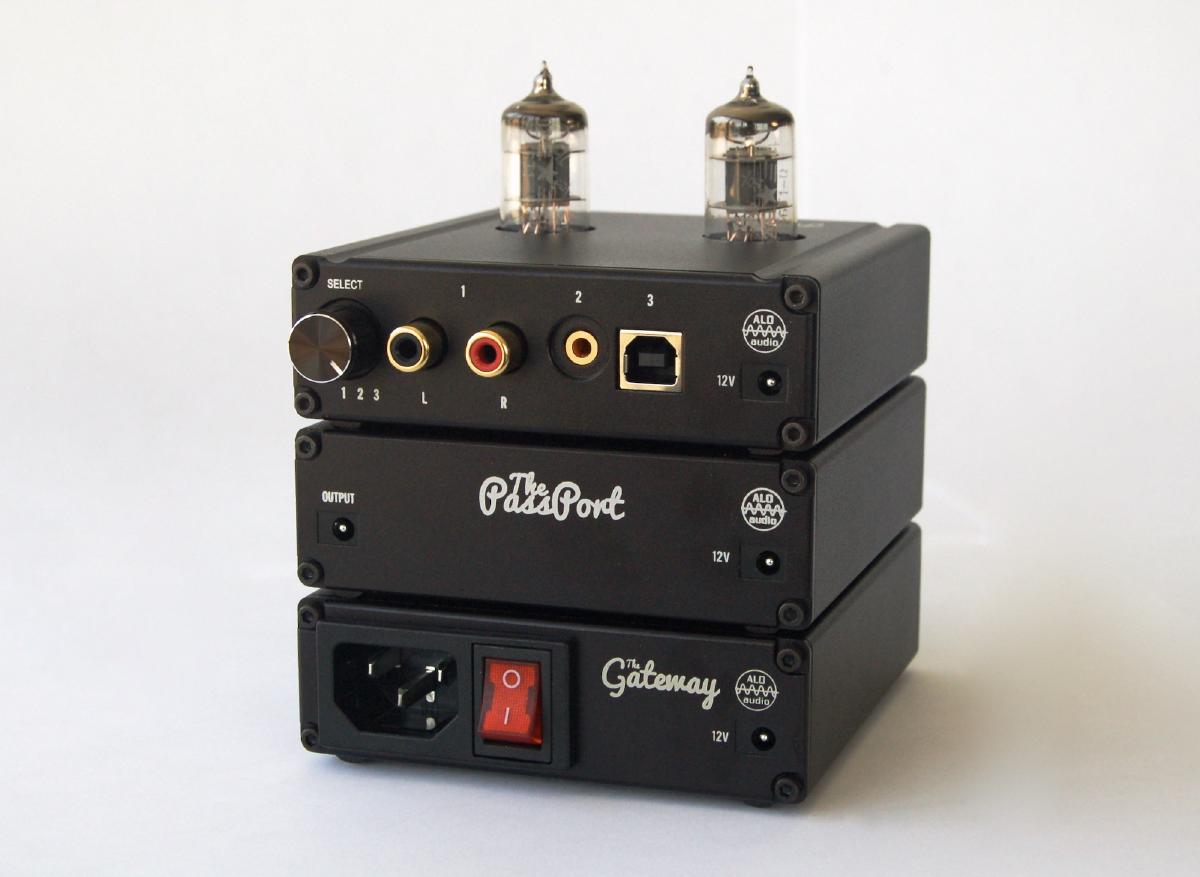


Headphone amplifiers are viewed as essential by some and farcical by others – so, should you consider one?
Last issue I covered power amplifiers and how they can be used by some users to give extra oomph to their hi-fi systems. This got me thinking about the smaller end of hi-fi: headphones. Like speakers, headphones require amplification in order to work. Unlike speakers, however, headphone amplifiers are usually built into the audio source, so go unnoticed. Indeed, every device out there with a headphone port – from your dad’s old Walkman to your new smartphone [Ed: Hah! Remember when phones used to come with headphone ports?] – contains a headphone amplifier; without one, your headphones simply wouldn’t work.
So why am I even talking about headphone amplifiers? Because, like with so many enthusiast-grade audio products, you needn’t settle for the puny amplifier built into your portable (or desktop) source of choice: they can get much bigger, and much better. Unlike power amplifiers, they needn’t cost the earth: there are budget models out there, say the portable Fiio E6, that cost only around $50, while desktop models from exotic brands can range up to the tens of thousands.
Before you climb aboard the headphone amp bandwagon, however, the first question you need to answer is: will it make a difference to the sound quality of your existing system?
To amp, or not to amp? #
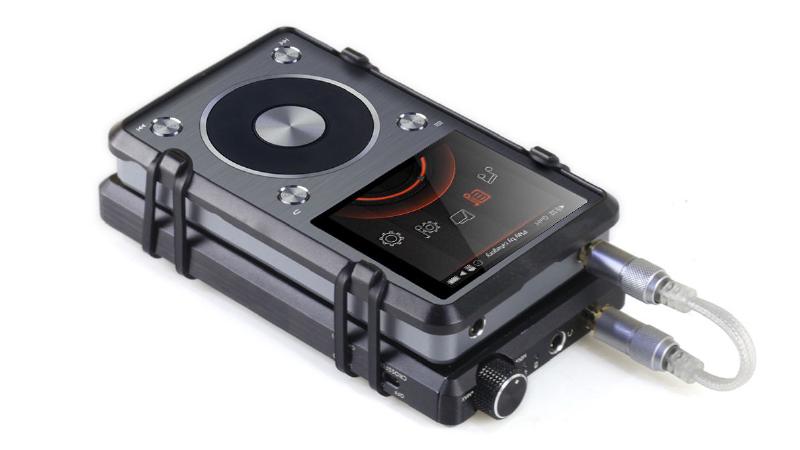
If you jump online to popular portable audio forums, such as those at head-fi.org or headphones.com.au [Ed: now dead], you’ll find pages and pages of people positively cooing over their headphone amps. You’ll see words like “punch” “power” “response” “presence” and any number of passionate responses. As an impressionable youth so many years ago, this convinced me that purchasing a headphone amplifier was a no-brainer. In truth, I was wrong.
In choosing an amplifier for speakers, I usually give the advice that bigger is generally better. It’s easy to assume that this will be the same for headphones, but it isn’t: most portable devices already provide more than enough power to drive most headphones.
Further, adding a headphone amplifier to your portable setup severely adds to the complexity – you have to charge another battery, you have to fit the extra width and cabling into your pocket, you have to use an external volume control on the amp itself, and you have to figure out a way to bind the two together. Indeed, only one or two months after buying my first headphone amplifier, it began collecting its first layers of draw dust – the difference between the output of my audio source and the headphone amplifier was too small (barely perceptible at best) to warrant the extra hassle of an external amp.
So why would anyone use an amp? Ignoring impressionability, there are two legitimate reasons: 1) some headphones, usually the bigger, more expensive (more than a few hundred dollars) ones, have power requirements greater than what most gear can deliver; and/or 2) the in-built amp on a preferred audio source is too noisy (such as clicks and bleeps on computers, or background hiss on cheap audio products), which can be particularly noticeable on more sensitive headphones like in ear monitors (IEMs). Adding an external amp (or more preferably, a DAC + amp combo, which I’ll get to in a moment) can help in both of these cases.
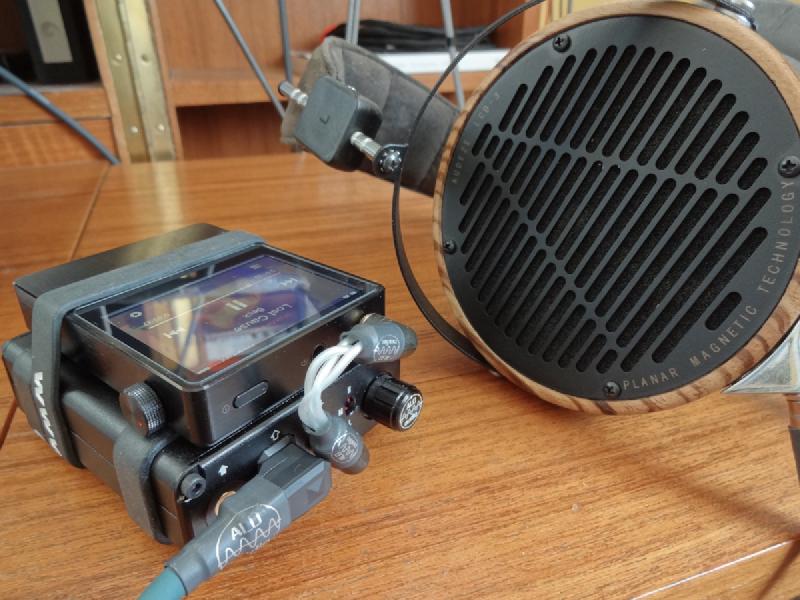
I’ve talked mainly about portable setups here, but I should quickly note that the very best headphones are designed for critical listening sessions in the home. These headphones do away with the design constraints necessary for portable headphones, such as size, portability, isolation from the surrounding environment, and power requirements, in order to focus on the best sound possible. Entry-level desktop headphones will cost a few hundred dollars, but they can range up to the tens of thousands. These headphones usually demand the use of an external amplifier, and it is the users of these headphones that post about their experience with the hyperbolic fervour that I mentioned earlier.
For the majority of headphones, however, an external amp is completely unnecessary. So, if some headphones do benefit from external amplification, is there any way to tell if you should spend the extra money on a headphone amp? Thankfully, there is.
Should you amp your headphones? #
First up, there’s no sense in spending money on amplification if you’re happy with the sound of your existing headphones. If you have audible hiss, interference, or distortion from your audio source, or if you often have the volume set near maximum, an external amplifier may be for you – but equally so may be a new pair of headphones. Given that headphone amplifiers frequently cost a few hundred dollars (and beyond), the idea of spending that money on a new set of ‘phones more suited to your source isn’t a terrible one. However, if you’re in a committed relationship with your headphones, and are looking to unleash the potential that you know they have in them, there’s actually a mathematical way to determine how much power they really need.
So let’s take a step back from all the impassioned opinions of the online reviewers, and look at some numbers. Most simply, the need for a headphone amplifier comes down to two qualities of your headphones: their impedance and their sensitivity.
Impedance, in simple terms, is the amount of load a speaker will put on an amplifier. With speakers for home use, impedance is in the range of 4–8 ohms. If you slide your finger down the long list of headphone specs, however, you’ll find impedances ranging anywhere from 4 ohms to 300 ohms, with most on the market these days rating either 16 or 32 ohms.
The higher the ohmage, the harder it will be for an amplifier to drive the headphones. Generally, if a headphones’ impedance is 32 ohms or less, then they have been designed for use with portable sources, and will be unlikely to benefit much from an external amplifier. If they are above 100 ohms, they have been designed for indoor use, and will almost always need external amplification. Between 32 and 100 ohms is a bit of a middle ground where anything can happen.
Headphone impedance is not a measure of quality
I’ve seen people on forums asking how headphone impedance affects sound quality. This often comes up after a user notices that more expensive – and better sounding – headphones are often high impedance, or that a particular set of good quality headphones come in high- or low-impedance versions. While confusion is understandable, it is actually very easy to sum up: impedance isn’t a measure of sound quality.
Yes, many high-end headphones are high-impedance, but there are also plenty of low-impedance headphones that sound amazing, too. Models with different impedance versions are more about matching your headphones to your preferred sound source – high impedance for home listening, low impedance for portable. For reasons I won’t get into, back in the days when headphones only existed in homes or studios it made sense for headphones to be of a high impedance. However, as portable applications became a reality, the extra voltage requirements of high-impedance headphones would mean a negative impact on battery life, so low-impedance made more sense.
If you’re of a curious and technical nature, you can read a whole lot more about it at NwAvGuy’s blog, specifically, his posts ‘Headphone Impedance Explained’ and ‘Headphone & Amp Impedance’.
Impedance isn’t the full story, however. If the spec sheet of your headphones has a sensitivity (aka efficiency) value in either dB/mW or dB/V, then you can figure out how much power they require. You can then check this requirement against your music source to be sure if external amplification is needed or not.
The thorough and lucid NwAvGuy has put together a few pages on this topic, and has created a rough chart (and guide) on how much power different headphones require. Simply look up the sensitivity of your headphones in the left-hand column (picking the next lowest number if your figure doesn’t match), decide how loud you like your music (NwAvGuy recommends: “Most should use a peak SPL of 110 dB… But if you don’t like loud music, or listen to mostly pop music, you might be happy with 105 dB. If you like it really loud, or listen to a lot of audiophile recordings [with wide dynamic range], use 115 dB.”), then see which value (in mW) corresponds to that desired loudness and sensitivity.
Converting volts to mW
If your amp or source of choice provides its power output as volts rather than mW at a specific impedance, you can convert it by using the following formula: W = output in volts² / headphone impedance. So a 2.5v amp would be able to provide (2.5 × 2.5) / 300 = 0.02 W (or 20mW) @ 300 ohms, and (2.5 × 2.5) / 32 = 0.195 W (195mW) @ 32 ohms.
Now that you have a power requirement in mW (as well as your headphones’ impedance), you need to find the output of your current source (smartphone, iPod etc.). Manufacturers are pretty bad at publishing this spec, but you can usually find some audio engineer’s blog documenting their quest to measure the output of as many devices as possible.
As a rough guide, iPods, iPads, and iPhones all deliver about 1v RMS, which translates to about 62 mW for 16 ohm headphones, and about 31 mW for 32 ohm headphones. Now take a look at the aforementioned chart: my current on-the-go headphones, Audiofly AF78s, have an impedance of 16 ohms and a sensitivity rating of 108dB/mW, which, even when choosing the loudest volume column, only requires between 2 and 4 mW of power. So, with an output of 62 mW into 16 ohms, I think you can see that a headphone amplifier is not really required. However, if I were to own a pair of 300 ohm headphones with a sensitivity of 97 dB/mW, such as the audiophile-approved Sennheiser HD600, the requirements for a peak of 115 dB SPL would be 63 mW @ 300 ohms (or a staggering 4.4v), so it’s absolutely undeniable that they require external amplification.
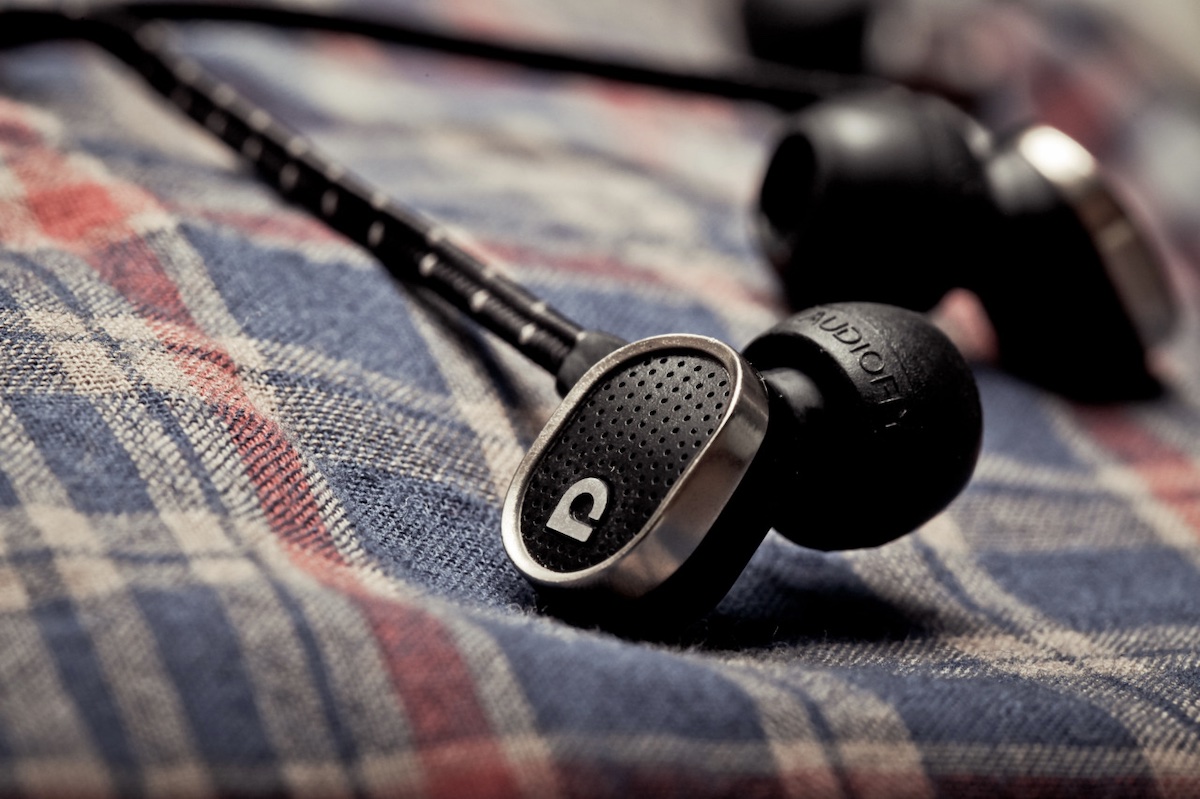
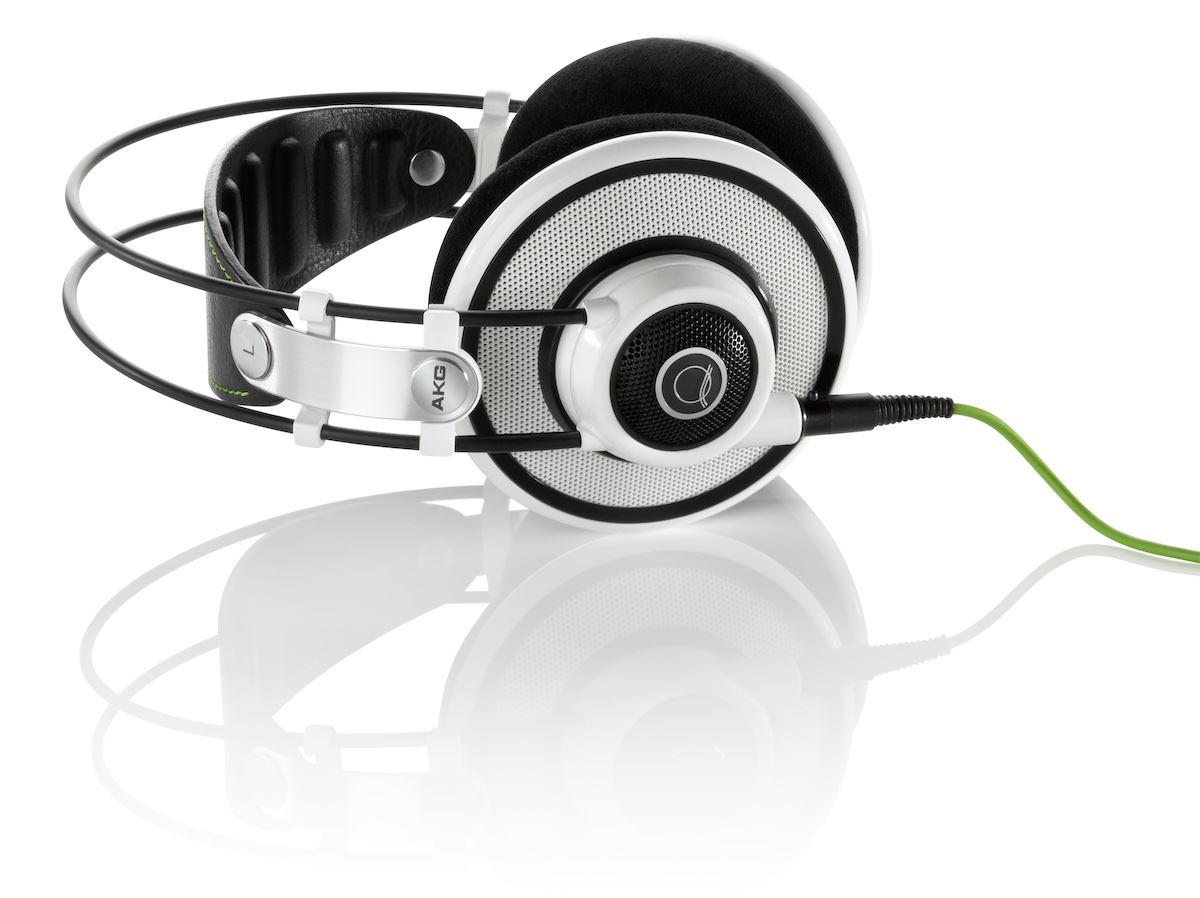
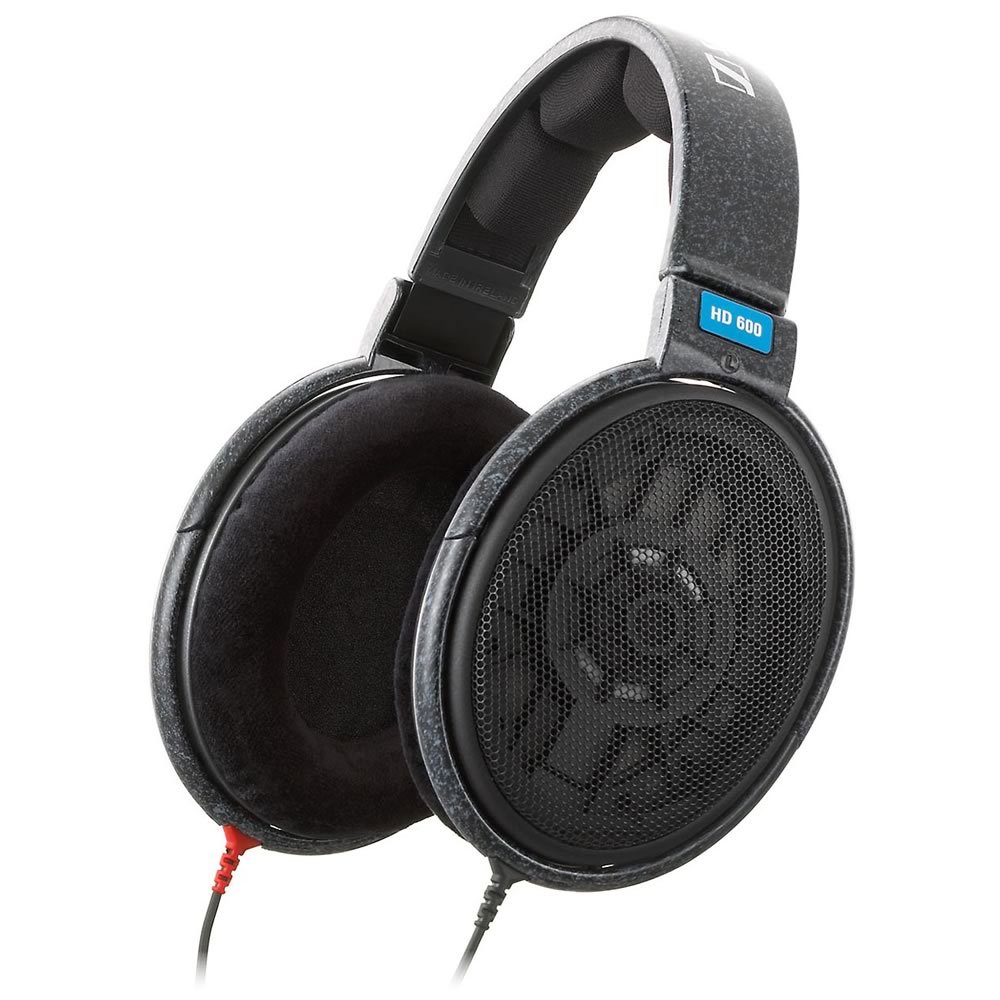
Left: Audiofly’s AF78 IEM headphones are designed for portable use at 16 ohms and 108dB/mW, so will only benefit from an external amp if their source is noisy. Centre: At 62 ohms and 105dB sensitivity, AKG’s Q701 open-back headphones ($389) can be run from a portable source, but will likely benefit from extra amplification. Right: Sennheiser’s HD600 ($399) are a popular model among audio enthusiasts, but at 300 ohm and 97dB/mW sensitivity, a powerful amplifier is a must.
Fixing a noisy source #
However, the power output of an amp isn’t the only consideration for sound quality. Sometimes, your music source just sounds noisy (or even dull). A noisy source can often be fixed by attaching an external amplifier to its line out. A ’line out’ differs from the headphone port in that it bypasses the internal headphone amp, which is often (but not always) the source of the noise. If your device doesn’t have a line out, then turning the volume down on the headphone signal and amplifying that may fix the noise – but it may also just amplify the noise itself. Crud in will result in crud out.
The best way to fix a noisy source, though, is to bypass the analogue circuitry in the device – the part that will almost certainly be creating the noise – by using a combination DAC and headphone amp. As I’ve discussed before, DACs (or Digital to Analogue Converters) are the part of the audio chain responsible for turning all the digital ones and zeroes into sound. By using an external DAC, you are not only moving the audio circuitry away from the source of the noise, chances are you’re replacing the existing internal DAC and headphone amp with a better quality one. You can connect a DAC using optical, coaxial, HDMI, or even USB connectors (just as long as your source supports USB DACs – Windows, Mac, Linux, iOS 7+, and most Android 5.0+ devices do). Indeed, there are now thin and light portable DAC + headphone amp combos by Sony, Oppo, Fiio, Creative, and others designed specifically for smartphones.
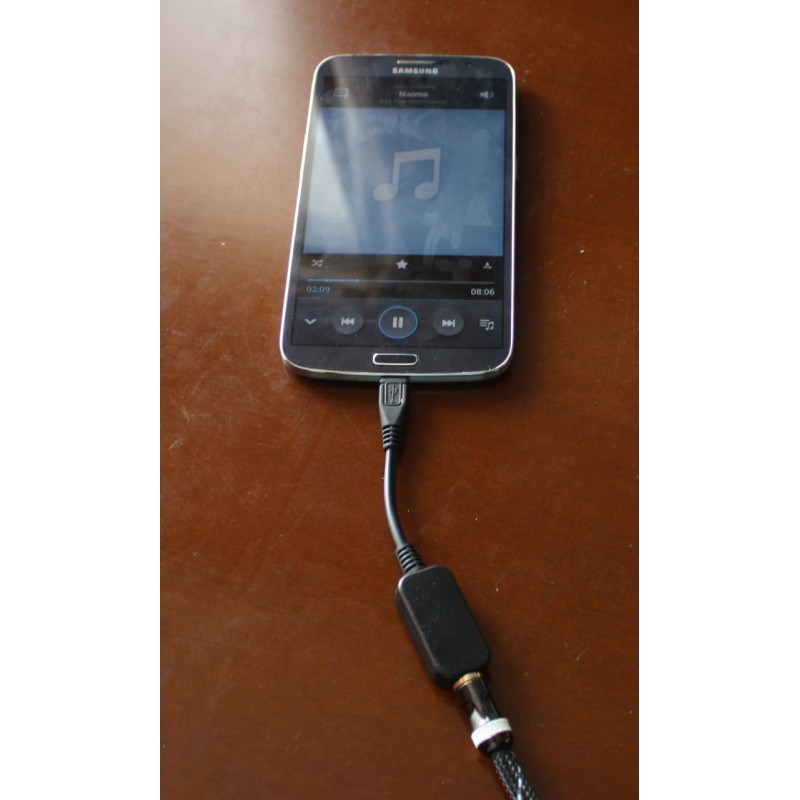
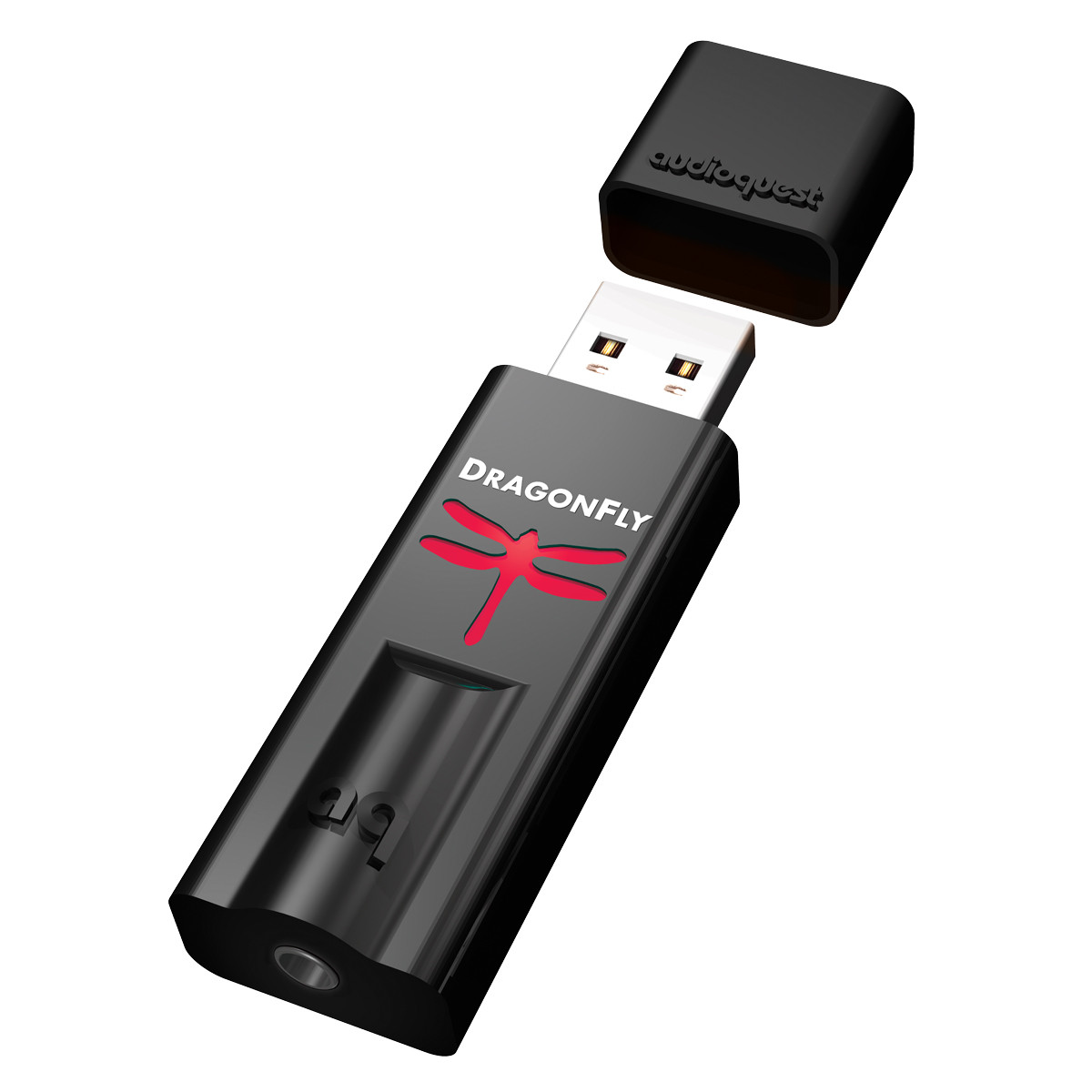
Left: There are now tiny USB-powered DACs + headphone amp combos available for mobile use, like this HiFiMeDIY ‘Android DAC’ (US$30), but don’t expect a great deal of extra power. Right: Similarly, there are diminutive external DACs with small headphone amps, such as this Audioquest Dragonfly ($199), that can be used to clean up a noisy headphone port on a PC.
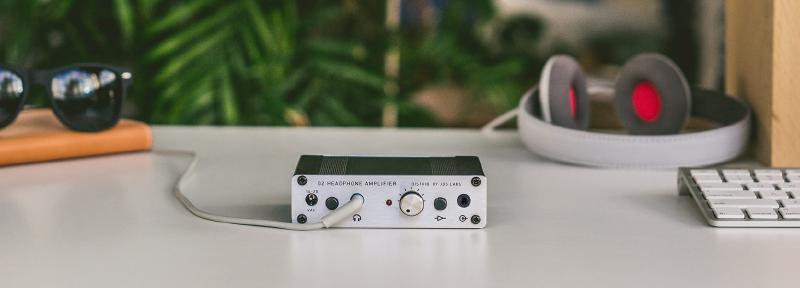
So after reading all of this, your decision to purchase an external headphone amplifier can be justified in two situations: either you have (or desire) high-impedance, low sensitivity headphones; and/or you have a noisy source. If you don’t have either of these problems, you’re probably better off saving your cash and buying some new music instead.
Upgrading your sound
If you love your high-impedance or low-sensitivity headphones but don’t want to carry an external amp around, there are many DAPs (Digital Audio Players, e.g. the contemporary equivalent to the iPods of yore) on the market now that offer in-built high-quality, high-power headphone outputs. Units from Fiio and iBasso at the value end ($250 - $500), and from Astell & Kern, Cowon, Sony and others at the higher end ($1000+), can provide you with all the power you need to drive power hungry headphones, or a very clean signal (and low output impedance) for sensitive headphones like In-Ear Monitors (IEMs).
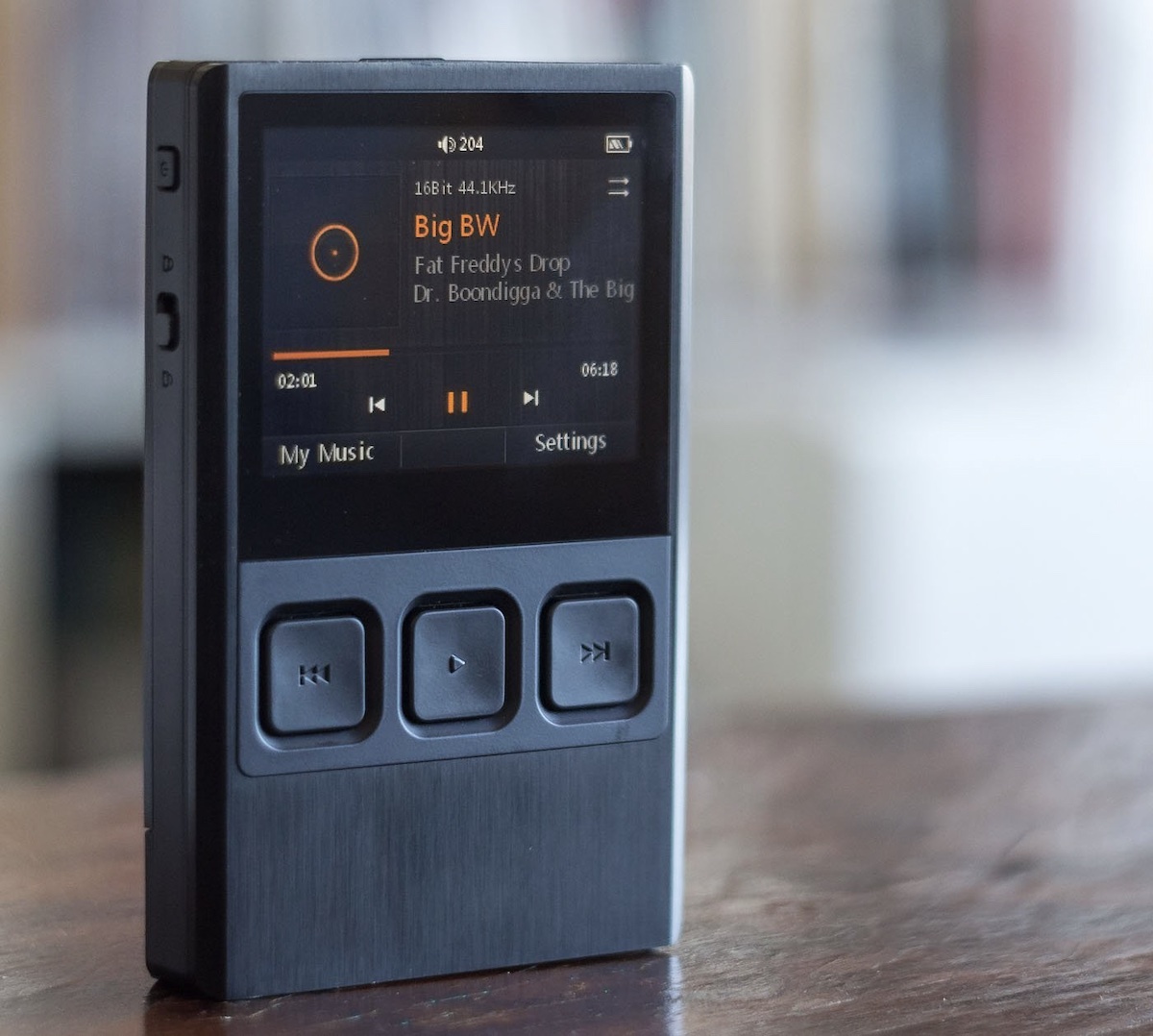
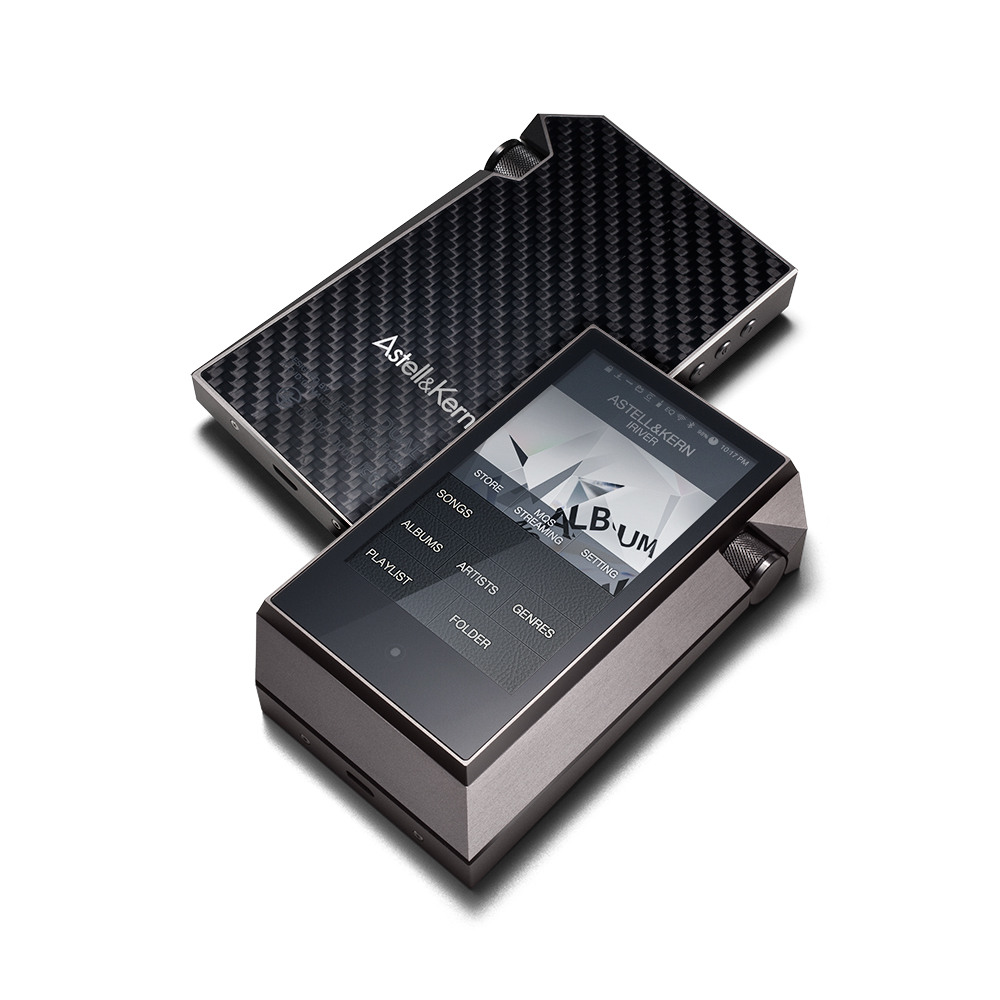
Left: If both convenience and sound quality matter to you, then there are now a number of high-quality DAPs with powerful headphone amplifiers built in, like this well-priced iBasso DX90 (around $470 online), that can drive all but the most power-hungry headphones. Right: High-end DAPs, like this Astell&Kern AK240 ($3999), provide super-clean, powerful outputs that can drive almost all headphones, plus a plethora of features and audio format support.